Sweat Sore Smile Repeat: A Stitcher’s Review
As a professional embroidery designer and product reviewer, I approach every new machine embroidery design with a critical eye. It is not enough for a file to simply digitize well on screen; it must perform under the needle and translate into a sellable or giftable item. When evaluating Sweat Sore Smile Repeat – Motivational, my primary focus is how this wellness-themed concept bridges the gap between digital assets and tangible, high-quality merchandise. This review breaks down the practical realities of stitching this design for custom apparel, tote bags, and commercial products.
First Impressions: Mood and Visual Hierarchy
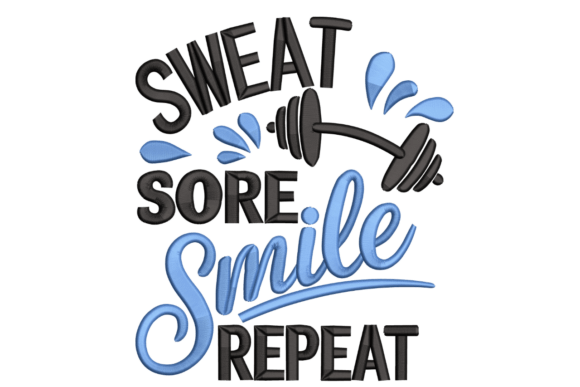
The phrase "Sweat Sore Smile Repeat" immediately evokes a specific niche within the wellness category. It speaks to fitness enthusiasts, physical therapy patients, and anyone embracing the grind of self-improvement. Visually, a motivational design like this relies heavily on typography and layout balance. Upon reviewing the concept, the design feels rhythmic. The repetition in the text suggests a layout that likely utilizes stacked lettering or a circular motif to mimic the cycle of effort and reward.
For an Etsy seller or small shop product creator, this mood is highly marketable. It avoids toxic positivity, opting instead for realistic motivation. However, as a stitcher, I am immediately looking at the font choice. If the design uses intricate script, I worry about registration issues on stretchy fabrics. If it uses bold block letters, I assess whether the satin stitch width is appropriate or if it requires excessive trims. A successful embroidery project in this genre must look intentional, not like a generic clip-art transfer. The personality mentioned in the product description must come through in the stitch texture, not just the words.
Real-World Application: The Custom Tote Bag Test
To truly evaluate Sweat Sore Smile Repeat – Motivational, I mentally place it in a real-life production scenario. Let us consider a heavy-duty canvas tote bag design intended for a gym-goer or yoga student. Tote bags are fantastic canvases because they offer a flat, stable surface, but they also present unique challenges regarding hooping and stabilizer choice.
In this scenario, I would treat this as a centerpiece design. Because the message is motivational, clarity is paramount. If the design includes decorative elements alongside the text, such as small icons representing sweat or smiles, those details must remain distinct when stitched on textured canvas. A fill stitch background might be too dense for a single-layer tote, causing puckering. Instead, I would look for clean running stitch accents or redwork styles that complement the fabric's natural weave without overwhelming it.
For a handmade product listing, photographing this finished tote requires attention to contrast. If stitching white thread on natural canvas, the design may disappear in photos. Testing thread colors against the specific bag blank is essential before listing the item. The goal is to create a personalized gift that looks premium, where the embroidery sits flush against the fabric rather than sinking into the weave or floating above it.
Navigating Fabric Variables and Technical Constraints
While tote bags are forgiving, applying Sweat Sore Smile Repeat – Motivational to custom apparel requires stricter technical discipline. Wellness merchandise often involves performance wear, ribbed cotton, or lightweight jersey knits. These are notoriously difficult substrates for machine embroidery.
- Stretchy Fabrics: If applying this to a moisture-wicking t-shirt, you must verify the stitch density. High-density designs will cause tunneling or fabric distortion. You may need to use a water-soluble topping and a cutaway stabilizer to maintain the integrity of the motivational message.
- Textured Surfaces: For terry cloth towels or fleece blankets, the detail level matters. Tiny serifs or thin connecting lines in the lettering will get lost in the pile. In these cases, ensure the design has adequate underlay to push down the fabric nap before the top stitches lay down.
- Hoop Size Limitations: Always confirm your machine’s maximum hoop size before purchasing the digital embroidery file. Motivational quotes can sometimes be wider than standard 4x4 hoops. Resizing a text-heavy design can distort letter spacing, so having the correct native size is vital for professional results.
- Dark vs. Light Fabrics: Check how the design handles color changes. If the design relies on negative space, it may not read well on black activewear. You might need to add a knockdown stitch or choose a version of the file specifically optimized for dark backgrounds.
Commercial Viability and Brand Consistency
For creative entrepreneurs and apparel decorators, consistency builds trust. If you are selling a line of wellness gear featuring Sweat Sore Smile Repeat – Motivational, the stitch-out quality defines your brand value. Customers paying for boutique pricing expect durability. A design that frays after three washes or distorts on the body will result in returns and negative reviews.
Before adding this to your craft business inventory, run a wash test. Embroidery on activewear undergoes significant stress. Ensure the embroidery file includes proper lock stitches at the beginning and end of color blocks. If you are creating printable mockups for pre-orders, be honest about the final texture. Digital previews should accurately represent the stitch type; do not show a smooth vector graphic if the actual product features textured fill stitches. Authenticity in presentation leads to higher buyer engagement and fewer customer service issues.
Designer Notes: Best Practices Before You Stitch
Based on my experience reviewing similar wellness and typographic designs, here are practical steps to ensure success with Sweat Sore Smile Repeat – Motivational:
- Always Test First: Never stitch directly onto a final product without a test run on similar scrap fabric. Check for registration errors, especially where lettering meets decorative elements.
- Verify Licensing: Confirm whether the digital embroidery file allows for commercial use on finished goods versus selling the digital file itself. Protect your business by understanding the terms before listing on Etsy or Shopify.
- Assess Small Details: If the design includes tiny text (under 0.2 inches), inspect it closely. Standard rayon or polyester thread may be too thick. You might need to use 60-weight thread or simplify the design to prevent thread breaks and poor legibility.
- Stabilizer Selection: Match your stabilizer to the end use. Use tear-away for stable woven fabrics like tote bags, but switch to no-show mesh or fusible cutaway for stretchy knits to prevent the "bulletproof" stiff feeling behind the design.
- Color Contrast Check: View the design in grayscale before stitching. If the values are too similar, the motivational message will lack impact regardless of the thread colors chosen.
Final Thoughts on Project Suitability
Sweat Sore Smile Repeat – Motivational holds strong potential for the wellness market, provided the maker respects the technical requirements of the target substrate. It is an excellent candidate for structured items like caps, patches, and tote bags where the design can shine without fighting fabric stretch. For apparel, proceed with caution regarding density and stabilization.
Ultimately, the value of this machine embroidery design lies in its versatility. Whether you are creating a holiday gift for a fitness-loving friend or stocking your shop with year-round staples, the key is execution. By treating this design as a technical component of a larger manufacturing process rather than just a pretty picture, you elevate your work from hobbyist to professional. Always check the specific file attributes provided by the digitizer, as stitch counts and formats vary, and let your test stitches guide your final production decisions.