Stethoscope Hand: A Designer’s Embroidery Review
When evaluating a new machine embroidery design for professional or commercial use, I look beyond the digital preview. As a designer and reviewer who regularly stitches out files for client projects and shop inventory, my primary concern is how the artwork translates from screen to fabric. The Stethoscope Hand design immediately caught my attention within the Work Occupation category because it bridges the gap between clinical professionalism and handmade warmth. It is not merely a medical icon; it is a narrative element that suggests care, human touch, and personalized service. For Etsy sellers, craft business owners, and apparel decorators targeting the healthcare niche, this design offers significant potential, provided it is executed with technical precision.
First Impressions and Visual Personality
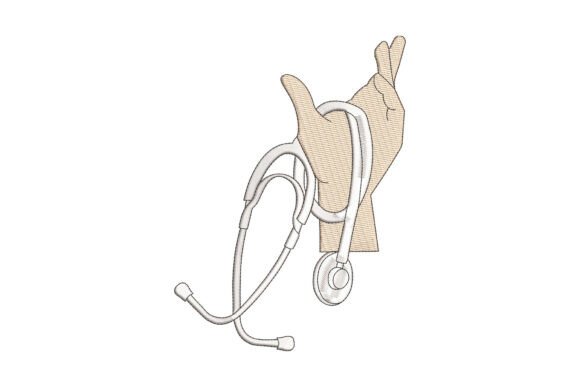
My initial assessment of Stethoscope Hand focuses on its emotional resonance. In the medical field, generic clip art often feels sterile. This design, however, introduces a human element—the hand—that softens the imagery. The layout suggests interaction rather than static display. When I review an embroidery file like this, I am looking for balance. Does the stethoscope overpower the hand? Is the anatomy stylized enough to forgive minor stitching shifts but detailed enough to read clearly at smaller sizes?
This design possesses a distinct personality that makes it suitable for more than just standard uniforms. It feels appropriate for boutique branding, retirement gifts, or nursing student merchandise. The visual weight appears balanced for medium-to-large applications, making it a strong candidate for sweatshirt embroidery or center-chest placements on scrubs. However, the success of this handmade product relies heavily on respecting the relationship between the line work and the negative space.
Real-World Application: Stitching a Custom Tote Bag
To truly understand the viability of Stethoscope Hand, I mentally walked through a recent project scenario: creating a custom canvas tote bag design for a hospital charity fundraiser. Canvas is a forgiving fabric, but it has texture that can swallow fine details. For this application, I considered how the design would perform as a focal point on a natural-colored tote.
In this real-life context, the Stethoscope Hand serves as an anchor. If using a fill stitch for the hand and a satin stitch for the stethoscope tubing, the contrast in texture adds depth that elevates the perceived value of the item. Customers respond to tactile variety. A flat, monotonous stitch-out looks like factory output, whereas varied stitch types signal a premium personalized gift. For this tote project, I would ensure the design size remains substantial enough that the stethoscope earpieces do not get lost in the canvas weave. This specific use case highlights why checking your hoop size and scaling appropriately is non-negotiable before production begins.
Technical Performance Across Different Substrates
A versatile digital embroidery file must adapt to various materials. Stethoscope Hand shows promise across several categories, but each requires specific adjustments.
- Custom Apparel and Scrubs: Performance fabrics are stretchy and slippery. When stitching this design on moisture-wicking material, the tension between the stitch density and the fabric elasticity is critical. Too dense, and the fabric puckers; too loose, and the stethoscope lines waver. A high-quality cutaway stabilizer is mandatory here to maintain the integrity of the hand's shape during wear and washing.
- Baby Embroidery and Nursery Decor: While less common for medical themes, pediatric nurses often seek personalized items. If adapting Stethoscope Hand for a baby blanket or burp cloth, safety and comfort take precedence. You may need to reduce density or convert filled areas to running stitches to prevent the fabric from becoming stiff or abrasive against sensitive skin.
- Holiday Embroidery and Gifts: During Nurse Week or graduation season, demand spikes. This design works exceptionally well on darker fabrics for winter hoodies. However, dark backgrounds require careful thread color selection. White or metallic threads can make the stethoscope pop, but they also highlight any registration errors. Testing on scrap fabric is essential to ensure the outline aligns perfectly with the fill.
Navigating Limitations and Fabric Challenges
No design is universally perfect, and honest evaluation requires identifying where Stethoscope Hand might struggle. Small hoop sizes present the most significant risk. If you attempt to shrink this design down for a cap or pocket logo, the intricate curves of the stethoscope and the fingers may merge. Always verify the minimum recommended size in your software or product details before committing to small-format commercial embroidery.
Textured fabrics like terry cloth or fleece also pose challenges. The loops of the fabric can push through the stitches, obscuring the definition of the hand. In these cases, using a water-soluble topping is necessary to keep the stitches on the surface. Additionally, be cautious with curved surfaces. While the design is excellent for flat garments, placing it on the side of a cap or over a seam on a structured bag can distort the perspective, making the hand look anatomically incorrect.
Enhancing Product Value and Buyer Trust
For small shop product listings and design assets, presentation dictates price. Using Stethoscope Hand effectively can significantly boost buyer engagement. When creating a printable mockup or listing photo, show the design stitched out on the actual intended product, not just a digital render. Customers trust what they can see. Showing the design on a finished sweatshirt or tote bag demonstrates that the file is production-ready and visually appealing in real life.
Furthermore, consistency builds brand recognition. If you are selling finished products or offering customization services, maintaining consistent thread colors and placement when using Stethoscope Hand creates a cohesive collection. This professionalism signals to buyers that you understand both the embroidery project requirements and the aesthetic needs of the medical community. Whether you are an established Etsy seller or a hobbyist transitioning to sales, treating this design as a premium asset rather than a quick graphic will reflect in your customer reviews and repeat business.
Essential Notes for Designers and Makers
Before adding Stethoscope Hand to your next production run or digital catalog, adhere to these practical guidelines to ensure success:
- Verify Specifications: Always check the included documentation for exact stitch counts, compatible formats, and licensing terms. Do not assume compatibility with your specific machine or permission for commercial resale without confirmation.
- Test Stitch First: Never run a new design directly on a final product. Test on a similar fabric weight and texture to evaluate stitch density and registration.
- Contrast Check: Review the design in black and white within your software to identify reliance on color contrast versus structural definition. Ensure the design reads well even if thread colors change.
- Stabilizer Selection: Match your stabilizer to the fabric, not just the design. Stretchy knits need cutaway; woven cottons may suffice with tearaway; sheer fabrics require wash-away.
- Licensing Compliance: If you plan to sell the embroidered patch, apparel, or digital files themselves, confirm your license covers these specific uses. Respecting intellectual property protects your business reputation.
Stethoscope Hand represents a valuable addition to the Work Occupation embroidery niche. Its blend of professional symbolism and artisanal charm makes it a standout choice for makers who want to create meaningful, high-quality goods. By approaching this design with technical mindfulness and creative intention, you can transform a simple digital file into a cherished custom apparel piece or a best-selling shop item. Remember that great embroidery is about the marriage of art and engineering; treat this design with the respect it deserves, and it will serve your business and clients beautifully.