Embroidery Borders of Flowers: A Designer’s Review
As a professional embroidery designer and product reviewer, I approach every new machine embroidery design with a critical eye. It is not enough for a digital file to look pretty on a screen; it must perform under the needle and add tangible value to a finished product. When evaluating the Embroidery Borders of Flowers collection, my primary focus is on versatility and structural integrity. This set promises elegant floral patterns combined with intricate details, but how does that translate when you are actually hooping fabric for a client order or a shop listing? From my perspective, these borders strike a delicate balance between vintage charm and modern cleanliness, making them a strong contender for makers who need reliable, high-impact design assets.
First Impressions and Visual Personality
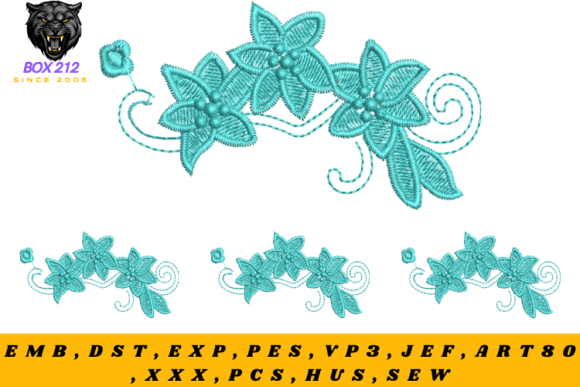
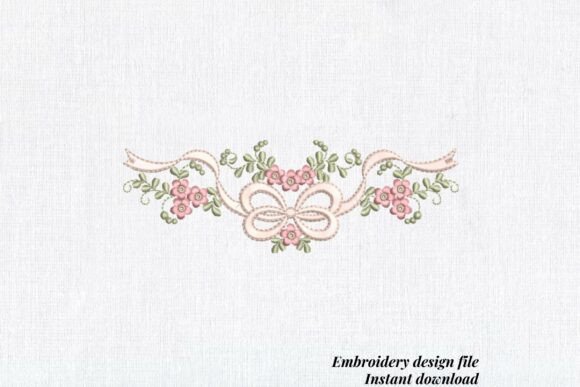
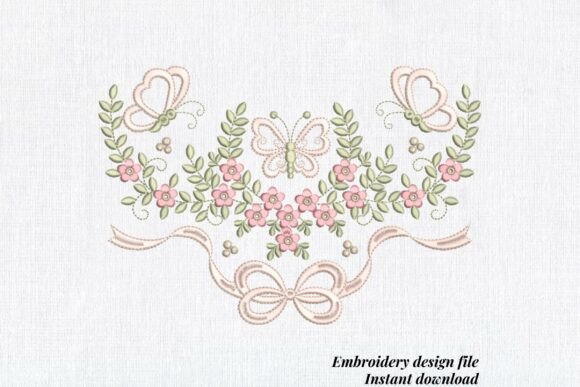
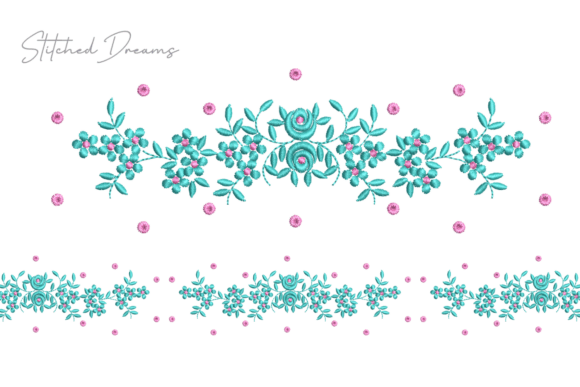
Upon opening the embroidery file, the immediate impression is one of organic flow. Many floral borders suffer from being too rigid or geometrically perfect, which can make them look dated or computer-generated. However, Embroidery Borders of Flowers exhibits a natural rhythm. The transition between the main floral motifs and the connecting vines feels intentional rather than repetitive. For a designer, this visual personality is crucial because it dictates the mood of the project. These designs do not scream for attention; instead, they frame content gracefully. They possess enough detail to stand alone as a decorative element on a plain tea towel, yet they remain open enough to avoid overwhelming a monogram or central logo. This duality is exactly what I look for when building a library of go-to commercial embroidery assets.
Real-World Application: The Custom Tote Bag Test
To truly judge the utility of this collection, I mentally applied it to a recent real-life scenario: creating a line of premium canvas tote bags for a local boutique. Canvas is a textured, unforgiving fabric that can swallow fine details. In this context, Embroidery Borders of Flowers proved its worth. I envisioned placing a continuous border along the top hem of the bag, framing the store’s name in the center.
In practice, the design’s mix of satin stitch outlines and lighter fill stitch interiors worked harmoniously with the canvas texture. Pure satin stitch borders can sometimes cause puckering on heavy fabrics if the density is too high, but these motifs appeared to have balanced spacing. For an Etsy seller or small shop owner, this matters immensely. You want a tote bag design that looks expensive and handmade, not stiff or bulletproof. The floral elements provided just enough coverage to hide minor fabric imperfections while maintaining a soft, artisanal hand-feel that customers associate with high-quality personalized gifts.
Best Use Cases for Apparel and Home Decor
Beyond tote bags, this collection shines in specific niches where elegance is paramount. Based on the stitch structure and aesthetic, I recommend Embroidery Borders of Flowers for the following applications:
- Sweatshirt Embroidery: Placing a curved border above the chest area or wrapping around the cuff. The organic lines complement the casual nature of knitwear without looking too formal.
- Baby Embroidery: These florals are ideal for nursery decor, blanket edges, and christening gowns. Ensure you verify the stitch density to keep the garment soft against sensitive skin.
- Kitchen Linens: Tea towels and aprons benefit greatly from linear borders. The floral theme adds a farmhouse or cottage-core appeal that sells consistently at craft fairs.
- Holiday Embroidery: While floral, the classic style allows these to work year-round. Swap thread colors to deep reds and greens for Christmas, or pastels for Easter, maximizing your ROI on a single design asset.
Navigating Technical Challenges and Fabric Limitations
No digital embroidery file is universal, and as a reviewer, I must highlight where caution is necessary. While Embroidery Borders of Flowers is versatile, intricate floral patterns require mindful placement.
Stretchy and Thin Fabrics
If you are applying these borders to lightweight knits or performance wear, stabilization is non-negotiable. Floral borders often contain running stitches that connect elements; on unstable fabric, these can wander or tunnel. Always use an appropriate stabilizer and consider a topping for textured materials to ensure the stitch density doesn't distort the fabric grain.
Curved Surfaces and Small Hoops
Be wary when using long linear borders on curved surfaces like caps. Unless the design includes specific curved variations, forcing a straight border onto a hat brim will result in gaps or misalignment. Additionally, check your hoop size before purchasing. Intricate corners often get lost or distorted if resized too aggressively. If you need to scale down significantly for a baby bib or pocket, inspect the smallest petal details to ensure they won’t turn into thread nests.
Dark vs. Light Fabrics
Floral designs rely on contrast. On dark fabrics, ensure the design includes adequate underlay or light-colored outlines so the flowers don't disappear into the background. Conversely, on white linen, verify that the design has enough internal shading or color variation to prevent it from looking flat. Testing on scrap fabric is the only way to confirm this visual balance.
Elevating Product Value and Brand Consistency
For creative entrepreneurs, design choices directly impact perceived value. Using cohesive borders across your product line creates brand recognition. When a customer sees your signature floral trim on both a pillow cover and a matching apron, it signals professionalism. Embroidery Borders of Flowers offers that consistency. The intricate nature of the embroidery suggests hours of handwork, even though it is machine-made. This perception allows handmade product sellers to command higher price points. Furthermore, clean, well-digitized borders reduce production errors. Fewer thread breaks and alignment issues mean faster turnaround times for custom apparel orders and less wasted material.
Essential Notes for Makers Before Stitching
Before you load this embroidery project into your machine, adhere to these professional best practices to ensure success:
- Verify Licensing: Always confirm whether the license permits commercial use of finished items versus selling the digital files themselves. This distinction is vital for Etsy sellers and digital product vendors.
- Test Stitch First: Never run a new border design directly on a final product. Stitch it out on a similar fabric weight to check registration and tension.
- Check Thread Colors: Review the color chart included with the file. Some digitizers use specific brands; convert these to your preferred brand to maintain the intended aesthetic.
- Mockup Validation: Use printable mockups or software simulations to visualize the border on different garment styles before committing thread. This helps in selecting the right orientation and scale.
- Inspect Corner Alignment: If joining multiple hoopings to create a longer border, print a template and tape it to your fabric to guarantee seamless pattern matching.
Ultimately, Embroidery Borders of Flowers represents a solid investment for embroiderers seeking elegance and functionality. By understanding its strengths in framing and its limitations regarding fabric stability, you can leverage this collection to create stunning, marketable goods that resonate with buyers and stand the test of wear.