Christmas Light Garland: A Craft Fair Review
As I prepare my inventory for the upcoming holiday craft fair season, my primary focus is always on versatility and production efficiency. When evaluating a new machine embroidery design for my booth, I have to ask two critical questions: will this catch a shopper's eye from five feet away, and can I stitch it out repeatedly without technical headaches? The Christmas Light Garland design immediately stands out as a strong contender for this year’s lineup. Based on its description as easy to stitch and full of personality, this design strikes that essential balance between festive charm and commercial viability. It does not feel overly complex or dense, which suggests it will be a reliable workhorse for batch production on various handmade products.
First Impressions and Booth Appeal
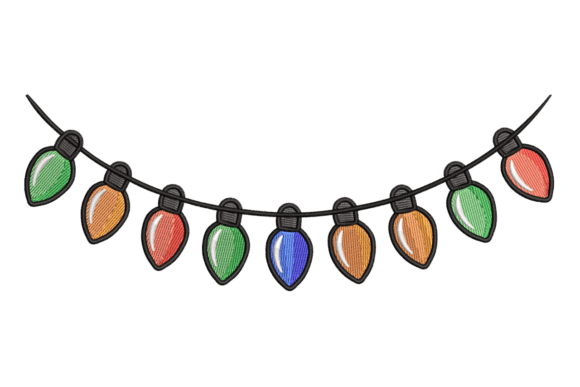
The title Christmas Light Garland evokes a specific aesthetic that is currently dominating the handmade market. It feels nostalgic yet clean, leaning towards a modern farmhouse or cozy traditional vibe rather than an ornate Victorian style. For an Etsy seller or boutique maker, this visual language is crucial. Customers at winter markets are often looking for items that feel warm and inviting without being cluttered. This design likely offers bold outlines and distinct color blocks that read clearly from a distance. In a crowded booth filled with reds and greens, a garland motif provides excellent negative space, allowing the fabric texture to breathe. This prevents the finished product from feeling stiff or over-embroidered, a common pitfall with holiday themes.
From a sales perspective, the "personality" mentioned in the product description is your hook. Shoppers connect with designs that feel hand-drawn or whimsical. If the lights have slight variations or a playful drape, it signals handmade quality over mass-produced factory goods. This perceived value allows you to price your items appropriately for a premium artisan market.
Best Applications for Market Products
Determining where to place this design is just as important as the stitching itself. Based on the characteristics of a garland motif, here is how I would allocate production time for different craft fair products:
- Tote Bag Design: This is arguably the strongest application. Canvas totes provide a stable, flat surface perfect for horizontal garland layouts. The design acts as a natural border or centerpiece. Because totes are high-volume sellers at holiday markets, having a go-to design that stitches quickly increases profit margins.
- Tea Towel Embroidery: Flour sack towels are a staple. A light garland running across the bottom third of a towel creates a beautiful hem detail. This application respects the function of the towel while adding festive decor. Ensure you use a tear-away stabilizer to keep the terry cloth texture intact.
- Apron Embroidery: Positioning the garland across the chest or along the bottom hem of a holiday baking apron creates instant thematic consistency. Aprons are excellent giftable items, and this design adds a professional, boutique finish that elevates them above generic store-bought alternatives.
- Embroidered Patch: If the design scales down well, consider making iron-on patches. These are low-cost add-ons at checkout. However, verify the stitch density first; garlands with thin connecting wires may not translate well to tiny patch sizes unless digitized specifically for that purpose.
- Pillow Covers: For higher-ticket items, center this design on a linen pillow cover. The horizontal nature of a garland complements standard lumbar pillow shapes perfectly.
Production Practicality and Technical Notes
While the Christmas Light Garland is described as easy to stitch, experienced embroiderers know that "easy" is relative to your setup. Before committing to a full production run for your small shop product line, you must validate the technical specs. Always check the hoop size requirements against your machine’s capabilities. A garland design might be wide but short; ensure your hoop accommodates the width without requiring excessive re-hooping, which kills production speed.
Pay close attention to thread colors. Holiday designs often require multiple stops for bulb colors. While this adds visual interest, it also adds labor. Test whether you can simplify the palette to three or four core colors that match your brand identity. This reduces thread changes and creates a cohesive look across your entire booth display. Additionally, review the digital embroidery file for any tiny text or intricate details. If the design includes small lettering like "Merry Christmas" integrated into the garland, test it on scrap fabric first. Small text can become illegible on textured fabrics like canvas or terry cloth.
Fabric texture matters immensely. On smooth cotton, the lights will pop. On nubby linen or thick fleece, the stitches may sink. You may need to adjust top tension or use a water-soluble topping to ensure the garland remains crisp and visible. Never assume a design will perform identically across all substrates; what works for a t-shirt may fail on a structured cap.
Merchandising and Digital Presentation
Your job isn't done when the needle stops. How you present the Christmas Light Garland determines its sell-through rate. For physical displays, group items by application. Stack the embroidered tea towels next to the tote bags so customers can see the design's versatility. Use warm lighting in your booth to mimic the glow of the actual lights depicted in the embroidery.
For online sellers, a printable mockup is insufficient. You need real photos showing the stitch texture. Zoom in on the details to prove the quality. When listing on Etsy, use keywords derived from the design's mood: "cozy Christmas decor," "farmhouse holiday gift," or "festive kitchen accessories." Highlight that this is a commercial embroidery piece made in-house, distinguishing it from print-on-demand competitors.
Designer Checklist Before Selling
To ensure this design becomes a profitable asset rather than a source of frustration, follow this pre-production protocol:
- Verify Licensing: Confirm the design assets include permission for selling finished physical products. Never assume commercial rights are included with every purchase.
- Stitch-Out Test: Run a sample on the exact fabric you intend to sell. Inspect registration, especially where light bulbs meet the wire. Gaps here look unprofessional.
- Stabilizer Match: Document which stabilizer yields the best result for each product type. Consistency is key for repeat orders.
- Scale Check: Resize the design digitally to see if it maintains integrity. Some garlands distort if stretched too wide or compressed too narrowly.
- Mockup Creation: Photograph at least one real sample before listing. Authentic photos convert better than digital renders for handmade products.
The Christmas Light Garland represents a smart investment for holiday inventory. It targets the emotional connection of the season while remaining practical for the business side of crafting. By focusing on high-visibility applications like totes and towels, and maintaining strict quality control during production, this design can anchor your seasonal collection. Remember, successful commercial embroidery is about finding that sweet spot where artistic appeal meets manufacturing efficiency. With careful planning and testing, this garland design has the potential to light up both your booth and your sales reports this season.