Tribal Fish Tattoo Embroidery Design Review
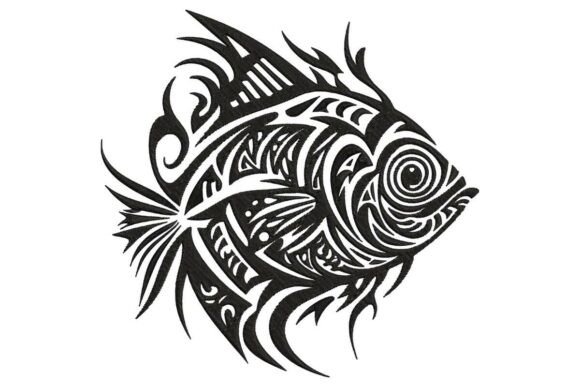
As an experienced embroidery designer evaluating assets for commercial production, my first impression of the Tribal Fish Tattoo Embroidery Design is one of bold confidence and cultural resonance. This is not a delicate or whimsical motif; it is a powerful, dynamic illustration that commands attention. The sharp, flowing lines and complex patterns evoke traditional Polynesian artistry, translating into a machine embroidery design that feels premium, masculine, and deeply symbolic. For small business owners and apparel decorators, this design offers a distinct visual weight that separates it from generic clip art. It reads as professional and intentional, making it an excellent candidate for brands that want to convey strength, flow, and artisanal quality through their merchandise.
Commercial Applications for Branded Merchandise
When integrating this embroidery file into a business product line, versatility is key. The Tribal Fish Tattoo Embroidery Design performs exceptionally well across various small business merch categories due to its high-contrast nature and solid fill areas. Below are specific applications where this design excels in a commercial setting:
- Embroidered Patches: The bold tribal lines translate perfectly to patch manufacturing. Because the design relies on shape rather than fine shading, it remains legible even when scaled down for uniform sleeves or tactical gear.
- Apron Embroidery: For cafés, tattoo parlors, or craft studios, placing this design on the chest or lower pocket of an apron creates immediate brand recognition. The dark, solid fills hide stains better than light, airy designs, adding practical value to the aesthetic.
- Tote Bag Design: Canvas tote bags provide a stable foundation for this intricate artwork. The tribal fish serves as a striking centerpiece for eco-friendly retail packaging or customer gift bags, elevating the perceived value of the handmade product.
- Cap Embroidery: While caps present challenges, this design’s horizontal flow can be adapted for structured front panels. It works best when centered and sized appropriately to avoid distortion on the curved surface.
- Staff Uniforms: For businesses in the marine, surf, or wellness sectors, this motif acts as a sophisticated alternative to standard logos. It adds a layer of cultural appreciation and artistic depth to staff apparel.
Technical Considerations and Production Limits
Despite its visual appeal, the Tribal Fish Tattoo Embroidery Design requires careful technical evaluation before mass production. As with any intricate digital embroidery file, understanding the limitations of thread and fabric is essential for maintaining quality. Business owners must be aware of where this design might fail if not managed correctly.
Navigating Stitch Density and Fabric Texture
The description highlights "complex patterns" and "intricate" details. In commercial embroidery, complexity often equates to high stitch density. If the digitizing uses heavy satin stitches or dense tatami fills to achieve those sharp tribal edges, you risk puckering on lightweight fabrics. I advise testing this design on the actual fabric texture intended for production. A heavy canvas tote may handle the density beautifully, while a lightweight performance polo might require a lighter version of the file or additional stabilizer to prevent distortion. Always verify the stitch count and density settings in your software before committing to a bulk run.
Sizing and Detail Retention
Tribal art relies on precise negative space. If you reduce this design too small for a tiny patch or sleeve cuff, those sharp internal cutouts may close up during stitching. Before using this for custom apparel at smaller scales, run a test sew-out. Check if the smallest elements remain distinct or if they bleed together. Unlike simple text, tribal patterns lose their identity when details merge. Confirm the minimum viable size based on the specific hoop size and needle thickness you plan to use. If the design includes tiny lettering alongside the fish, consider removing the text for sizes under three inches to preserve the integrity of the main graphic.
Impact on Brand Identity and Customer Trust
Choosing the right design assets is about more than decoration; it is about communication. The Tribal Fish Tattoo Embroidery Design carries specific connotations that influence how customers perceive a brand. In the Fish Shells category, many designs lean toward cartoonish or overly nautical themes. This tribal interpretation offers a mature, grounded alternative that signals respect for tradition and craftsmanship.
For a boutique or creative studio, using such a culturally significant motif demonstrates a commitment to meaningful art rather than fast fashion trends. This builds brand identity rooted in authenticity. When customers see high-quality execution of such a detailed design on a finished product, it reinforces trust in the maker’s attention to detail. However, this also demands responsibility. Ensure the usage aligns respectfully with the cultural origins of Polynesian art. Authenticity in presentation prevents the design from feeling like mere appropriation and instead positions it as a tribute to heritage, which resonates deeply with conscious consumers.
Essential Designer Notes for Implementation
To ensure the Tribal Fish Tattoo Embroidery Design meets professional standards for business use, follow this pre-production checklist. These steps mitigate risk and ensure the final merchandise reflects the quality of your brand.
- Verify Commercial Licensing: Before selling any item featuring this design, confirm the license terms. Not all embroidery files allow for commercial resale or unlimited production. Protect your business by securing the appropriate rights.
- Create a Printable Mockup: Before stitching, generate a digital mockup to visualize placement and scale. Share this with clients or team members for approval. A printable mockup helps identify proportion issues that aren't obvious on screen.
- Test Thread Color Contrast: Tribal designs often rely on black or dark ink. On dark uniforms, this loses impact. Test high-contrast thread colors like white, gold, or metallic against your base garment. The design needs contrast to define those sharp, flowing lines.
- Evaluate Stabilizer Strategy: Given the potential density, select the correct backing. Cut-away stabilizer is generally safer for permanent wearables like polos and caps, while tear-away may suffice for sturdy totes. Never skip stabilization on textured fabrics.
- Check Hoop Compatibility: Ensure the design dimensions fit comfortably within your machine’s maximum hoop area with adequate margin for tension. Over-stretching the fabric to fit a large design can cause registration errors in complex tribal patterns.
- Compare Beside Other Assets: Place this design next to your existing logo or other merchandise graphics. Does it match the visual weight and style? Consistency across design assets ensures a cohesive collection rather than a disjointed assortment.
- Wash Test for Durability: If producing workwear or aprons, wash and dry the test sample multiple times. High-density tribal fills can sometimes pull or distort after laundering. Validate durability before fulfilling customer orders.
The Tribal Fish Tattoo Embroidery Design represents a strong opportunity for businesses seeking bold, culturally rich merchandise. By approaching it with technical diligence and respectful branding intent, you can transform this digital file into a tangible asset that drives engagement and showcases professional craftsmanship. Whether applied to an embroidered patch for a surf shop or a premium tote for an artisan market, success lies in respecting both the art form and the mechanics of machine embroidery.