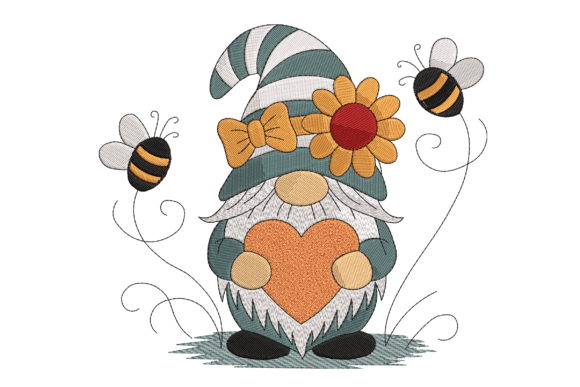
Spring Bee Gnome: A Sweatshirt Design Review
As an embroidery designer preparing a limited seasonal drop for a boutique brand, evaluating a new machine embroidery design goes far beyond simply liking the artwork on a screen. When I selected the Spring Bee Gnome for our upcoming collection of premium sweatshirts and oversized hoodies, my primary concern was how this digital asset would translate onto heavy fleece fabrics. For small clothing brands and Etsy sellers, the difference between a cute graphic and a sellable product lies entirely in execution. This review breaks down my professional assessment of this design, focusing on its viability for commercial apparel, fabric compatibility, and overall marketability for handmade businesses.
First Impressions and Seasonal Aesthetic
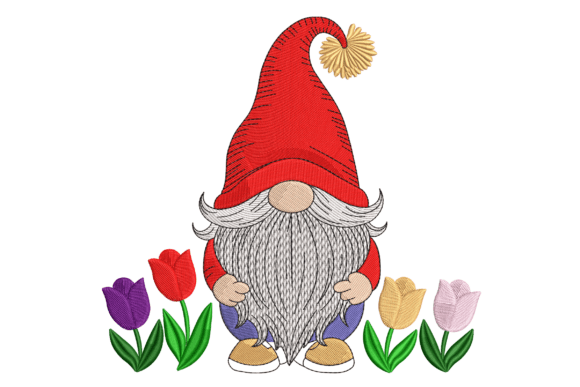
The initial appeal of Spring Bee Gnome is its distinct personality. In the crowded market of spring apparel, generic florals often get lost, but adding a gnome character introduces a narrative element that resonates with specific niches like cottagecore, garden enthusiasts, and whimsical decor lovers. Upon opening the embroidery file, the layout feels balanced rather than cluttered. The mood strikes a necessary chord between playful and polished; it is cute without being juvenile, which is essential when targeting adult customers buying premium cozy wear.
For a small shop product, versatility is key. This design does not feel overly rigid or formal. It possesses a handcrafted charm that aligns perfectly with the expectations of buyers looking for authentic custom apparel. The artistic style suggests a mix of satin stitches for definition and fill stitches for texture, creating visual depth that flat prints simply cannot achieve. As a designer, I immediately envisioned this on oatmeal, sage green, and dusty rose sweatshirts, where the thread colors would pop against neutral backgrounds while maintaining a soft, organic aesthetic suitable for the season.
Technical Viability on Heavy Fleece
Sweatshirt embroidery presents unique challenges compared to t-shirts or tote bags. The pile of fleece can swallow fine details, and the stretch of the knit requires careful stabilization. When reviewing Spring Bee Gnome for hoodie placement, I looked specifically at stitch density and underlay structure. A design described as "easy to stitch" usually implies optimized pathing and appropriate density, which is crucial for preventing puckering on thick garments.
For commercial embroidery on hoodies, the chest placement is the most common real estate. This design appears scaled appropriately for a left-chest logo position or a centered 4x4 hoop area. However, creators must verify the exact hoop size before production. If the design relies heavily on delicate lines, you may need to adjust the pull compensation in your software to account for the fabric texture pushing back against the needle. On darker fabrics like navy or charcoal, testing thread colors is mandatory. Pastel threads on dark fleece can sometimes look muddy if the underlay isn't dense enough to block out the fabric color beneath.
Stabilizer and Fabric Considerations
To ensure the finished product meets boutique standards, stabilizer choice is non-negotiable. For this type of knit fabric, I recommend a medium-weight cut-away stabilizer rather than tear-away. Tear-away can distort the stretch recovery of a sweatshirt, leading to a warped design after washing. A fusible mesh topping might also be beneficial if the Spring Bee Gnome includes small text or intricate facial details, ensuring those elements remain crisp atop the fleece nap. Always run a test stitch-out on the exact garment blank you intend to sell; what works on cotton quilting fabric will rarely work perfectly on poly-blend hoodie fleece without adjustment.
Merchandising and Brand Identity
Beyond the technical stitch-out, we must consider how this design functions as a business asset. For an Etsy seller or independent brand, visual recognition drives sales. Spring Bee Gnome offers strong branding potential because it serves as a signature piece for a spring collection. It pairs exceptionally well with lifestyle photography. Imagine a flat lay featuring the embroidered sweatshirt alongside dried flowers, gardening tools, or a ceramic mug. The tactile nature of the embroidery adds perceived value that elevates the item above standard print-on-demand merchandise.
When creating printable mockup listings, remember that digital representations often lack the shadow and sheen of real thread. I advise taking high-resolution macro photos of the actual stitched sample to use as secondary listing images. This builds buyer trust by showing exactly what the finished product looks like. Customers want to see the stitch texture and the way the design sits on the fabric. Highlighting the "personality" mentioned in the product description through video content—showing the hoodie moving, stretching, and catching the light—can significantly increase conversion rates for handmade product listings.
Expanding Beyond Sweatshirts
While our focus is apparel, maximizing the ROI on a digital embroidery file means utilizing it across multiple SKUs. The product description notes suitability for tote bags and decorative pieces. This is excellent for creating bundle offerings. A matching set comprising a Spring Bee Gnome sweatshirt and a canvas market bag creates a higher average order value. Tote bags generally have a tighter weave than sweatshirts, meaning the design will likely appear sharper and more detailed on accessories. This contrast allows you to showcase the full fidelity of the artwork in your marketing materials while offering a cozier, textured version on apparel.
Commercial Durability and Customer Satisfaction
For any boutique brand, reputation hinges on wash durability. A design that unravels or distorts after three laundry cycles will destroy customer loyalty. When evaluating Spring Bee Gnome for long-term wear, check the lock stitches at the beginning and end of each color sequence. Secure lock stitches prevent unraveling during industrial or home laundering. Additionally, ensure the design isn't so dense that it creates a "bulletproof vest" effect on the chest, which makes the garment uncomfortable and stiff. Comfort is just as important as aesthetics in the loungewear category.
If you are selling to other makers or offering this as part of a larger collection of design assets, providing clear usage notes adds immense value. Remind your customers to check their specific machine’s tension and to use sharp needles (like titanium or topstitch needles) for knits to prevent skipped stitches. While the design is marketed as easy to stitch, success always depends on the operator's understanding of their materials. Providing these professional tips alongside the file positions your shop as an authority rather than just a vendor.
Final Verdict for Small Business Owners
Spring Bee Gnome represents a solid opportunity for creative entrepreneurs looking to refresh their spring inventory. It balances trend-awareness with timeless charm, avoiding the trap of hyper-specific fads that expire quickly. Its suitability for both apparel and accessories makes it a versatile workhorse for commercial embroidery shops and hobbyists alike. By paying close attention to stabilization, thread contrast on fleece, and authentic presentation in your listings, this design can serve as a cornerstone for a profitable seasonal drop.
Ultimately, the success of this project relies on treating the embroidery file as a starting point, not a guarantee. Test, adjust, and photograph with intention. When executed correctly, Spring Bee Gnome transforms from a simple digital pattern into a tangible, high-value garment that customers will cherish throughout the season. For those building a recognizable brand identity in the handmade space, investing time in perfecting this design's application will yield dividends in customer engagement and repeat business.