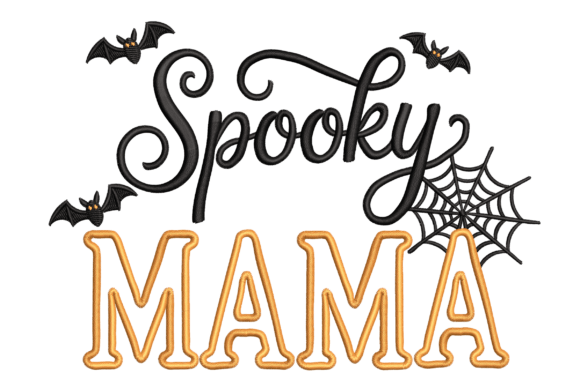
Spooky Mama: A Designer’s Review for Holiday Sales
As an embroidery designer planning my upcoming seasonal collection, I am constantly evaluating which digital assets will translate best into profitable, high-quality finished products. When reviewing the Spooky Mama machine embroidery design, my primary focus is not just on the aesthetic appeal, but on its commercial viability for holiday shoppers. This design promises to add beauty and texture to embroidery work, offering a unique handcrafted feel that is essential for standing out in a saturated market. For Etsy sellers, apparel decorators, and small business owners, selecting the right seasonal embroidery file can define the success of a limited-time product drop.
First Impressions: Seasonal Mood and Decorative Texture
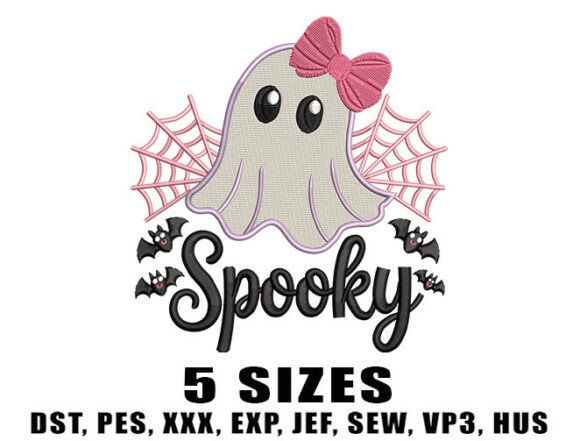
Upon opening the Spooky Mama embroidery file, the immediate impression is one of balanced festive charm. It avoids being overly grotesque, leaning instead into a cozy, nostalgic Halloween aesthetic that appeals to adult buyers and parents alike. The decorative style suggests a blend of playful and elegant elements, making it versatile enough for both fashion projects and home decor. As a designer, I look for artwork that evokes emotion; this design captures that specific autumn sentiment where spooky meets sweet.
The texture mentioned in the product description is a critical selling point. In machine embroidery, texture implies dimensionality—satin stitches, fill patterns, or layered details that catch the light. This visual depth is what separates a premium handmade gift from a flat, mass-produced print. When customers browse social media previews or craft fair displays, they are looking for that tangible quality. Spooky Mama appears to offer enough detail to satisfy this need without becoming so dense that it compromises the drape of softer garments.
Commercial Applications for Holiday Product Lines
When building a seasonal shop collection, versatility is key. I have identified several high-potential applications for Spooky Mama based on current market trends for holiday embroidery:
- Sweatshirt Embroidery: This is arguably the strongest category for this design. The "Mama" terminology targets a specific demographic that loves personalized apparel. Center-chest or left-chest placements on cream, black, or orange fleece would perform exceptionally well in Q4 sales.
- Tote Bag Design: Canvas totes are excellent vehicles for textured embroidery. The sturdy fabric texture supports detailed stitching, and these items serve as popular reusable gift bags or trick-or-treat alternatives.
- Kitchen Towel Embroidery: Seasonal kitchen linens are staple sellers. Spooky Mama could anchor a set of coordinating towels, perhaps paired with smaller pumpkin or bat motifs for a tiered pricing strategy.
- Pillow Cover Projects: For home decor enthusiasts, this design offers a quick way to update living spaces for the holiday. It works particularly well on linen-look polyester or cotton twill.
- Embroidered Patches: Creating iron-on patches allows customers to customize their own denim jackets or backpacks. This extends the product's life beyond the immediate holiday season.
For Etsy sellers, bundling these items creates higher average order values. A "Spooky Mama Bundle" featuring a sweatshirt and a matching kitchen towel leverages the design across multiple SKUs while maintaining brand consistency.
Technical Considerations and Fabric Limitations
While the artistic merit of Spooky Mama is clear, practical execution requires careful attention to technical constraints. As professionals, we must anticipate where a design might fail before it reaches the customer. There are specific scenarios where this design should be used with caution:
- Small Hoop Sizes: If you intend to use this on baby items or sleeve cuffs, verify the minimum dimensions. Intricate lettering or fine decorative elements can become illegible if resized below 60% of the original digitizing size. Always check the specific hoop size requirements in the file metadata.
- Stretchy Garments: When applying Spooky Mama to knit fabrics or performance wear, stitch density becomes a major factor. High-density designs on stretchy material can cause puckering or tunneling. You may need to reduce density or use a specialized cut-away stabilizer to maintain the garment's integrity.
- Thick Towels and Plush Fabrics: While great for texture, thick terry cloth can swallow fine details. If using this for kitchen towel embroidery, consider adding a water-soluble topping to keep the stitches crisp and visible above the pile.
- Dark Fabric Contrast: Test thread colors rigorously. A design that looks vibrant on white may disappear on black unless you adjust underlay or switch to lighter, metallic, or variegated threads. Dark fabrics often require a white underlay base to make seasonal colors pop.
- Metallic Thread Usage: If the design calls for metallic accents to enhance the festive mood, ensure your machine tension is adjusted accordingly. Metallic threads are beautiful but prone to breaking on complex stitch paths.
Enhancing Buyer Emotion and Perceived Value
In the competitive landscape of commercial embroidery, Spooky Mama succeeds because it taps into identity. The term "Mama" transforms a generic Halloween graphic into a personalized gift. During the holiday shopping period, buyers are not just purchasing thread and fabric; they are buying validation of their role and participation in a cultural moment. This emotional connection increases perceived value and justifies premium pricing.
Furthermore, the "handcrafted feel" described in the product specs builds customer trust. Shoppers are increasingly wary of cheap, direct-to-garment prints. A well-executed machine embroidery design signals time, effort, and skill. When creating printable mockups or listing photos, highlight the texture. Close-up shots showing the sheen of the thread and the dimensionality of the stitches reassure buyers of the quality they will receive. This visual recognition is vital for converting browsers into buyers during the busy October rush.
Essential Designer Notes for Production Success
Before adding Spooky Mama to your production queue, adhere to these professional best practices to ensure consistent results:
- Verify Licensing: Before selling any finished product, confirm the commercial licensing terms included with the digital embroidery file. Ensure you have the rights to sell physical goods featuring this design.
- Stitch Out Testing: Never skip the test sew. Stitch out the design on the exact fabric and stabilizer combination you plan to sell. Review small details after stitching to ensure registration is perfect.
- Stabilizer Selection: Match your stabilizer to the fabric weight. Use tear-away for stable wovens like canvas tote bags, and high-quality cut-away for sweatshirts and knits to prevent distortion over time.
- Color Palette Planning: Develop a signature color scheme for your shop. Instead of using standard orange and black, consider muted terracotta, sage green, or antique gold to give Spooky Mama a modern, sophisticated twist that aligns with current interior design trends.
- Mockup Accuracy: Create realistic mockups that reflect the actual stitch count and texture. Misleading graphics lead to returns. If possible, photograph the actual embroidered sample rather than relying solely on digital renderings.
- Check File Details: Since specific stitch counts and formats vary, always review the included read-me file or product specs. Confirm compatibility with your machine brand before purchasing or digitizing adjustments.
Spooky Mama represents a strong opportunity for seasonal revenue when approached with technical precision and marketing intent. By respecting the nuances of fabric texture, stabilizer choice, and target audience emotion, you can transform this digital asset into a best-selling holiday staple. Whether applied to a cozy sweatshirt or a decorative pillow cover, this design has the potential to elevate your seasonal collection and delight customers seeking authentic, handcrafted holiday cheer.