Sassy Little Pumpkin: A Seasonal Embroidery Review
As an embroidery designer preparing for the upcoming Autumn season, I am constantly evaluating which digital files will translate best into profitable, high-quality finished products. When reviewing the Sassy Little Pumpkin machine embroidery design, my primary focus is on versatility and commercial viability. This design promises to add beauty and texture to embroidery work, offering a unique handcrafted feel that is essential for standing out in a saturated holiday market. For Etsy sellers, small shop product creators, and apparel decorators, this review breaks down how this specific seasonal embroidery asset performs across various applications, from fashion to home decor.
First Impressions: Texture and Seasonal Mood
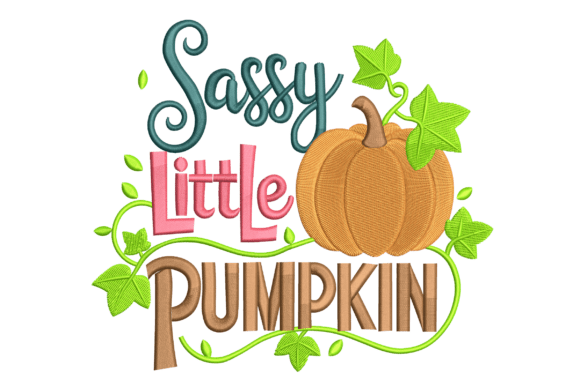
Upon opening the embroidery file, the immediate impression of Sassy Little Pumpkin is one of playful sophistication. It strikes a difficult balance between cute and elegant, avoiding the overly juvenile aesthetic that can sometimes limit sales to adult demographics. The design feels festive yet cozy, making it suitable for both children’s wear and adult autumn apparel. The "sassy" element suggests a personality in the stitch-out, likely achieved through expressive facial features or dynamic positioning, while the decorative elements provide the necessary texture mentioned in the product description.
For a professional embroiderer, texture is everything. Flat designs often look cheap on premium goods, but this design appears to utilize varied stitch types to create depth. This tactile quality is what convinces customers at craft fairs or through close-up social media photos that they are purchasing a premium handmade gift rather than a mass-produced item. The emotional tone hits the nostalgic notes required for holiday shopping without feeling dated, making it a strong contender for limited-time product drops.
Commercial Applications for Holiday Selling
When planning a seasonal collection, I need designs that work across multiple SKUs. Sassy Little Pumpkin shows significant promise for several key categories:
- Sweatshirt Embroidery: This is the primary revenue driver for Autumn. The design’s character makes it ideal for center-chest placement on crewnecks or hoodies. Its personality appeals to the "mom life" and cozy autumn aesthetic popular on Instagram and TikTok.
- Kitchen Towel Embroidery: Holiday hostess gifts are a massive market. Because the design has a decorative nature, it elevates a simple flour sack towel into a personalized gift. The texture helps the design stand out against the terry cloth or linen fabric texture.
- Tote Bag Design: For farmers' markets and pumpkin patch outings, this design works beautifully on canvas totes. The handcrafted feel aligns perfectly with the eco-friendly, artisan vibe of tote bag buyers.
- Pillow Cover and Home Decor: Seasonal home decor requires designs that coordinate with existing interiors. Sassy Little Pumpkin acts as an accent piece that adds warmth to neutral throw pillows without overwhelming the room's aesthetic.
- Embroidered Patch: For makers who sell patches rather than finished garments, this design has clear outlines and distinct color blocks that would digitize well as a standalone patch for denim jackets or backpacks.
From a marketing perspective, this design supports strong visual recognition. When creating printable mockups or listing photos for an Etsy seller account, the distinct character of the pumpkin allows for easy branding. Customers can instantly recognize your shop's style when they see this specific seasonal embroidery motif across different product types.
Technical Considerations and Production Cautions
While the aesthetic appeal is high, experienced designers know that production realities dictate success. There are specific scenarios where Sassy Little Pumpkin must be used with caution to maintain quality and customer trust.
Fabric and Stabilizer Compatibility
The promise of added texture implies a higher stitch density. While this creates a beautiful finish, it also introduces risks. On stretchy garments like sweatshirts, improper stabilization will lead to puckering around the dense areas. You must use the correct stabilizer—likely a cut-away for knits and a tear-away for woven linens—to support the weight of the design. Always test on a scrap of the actual fabric texture you intend to sell; what works on cotton may fail on fleece.
Size Limitations and Detail Loss
Be wary of resizing this machine embroidery design too small. If the "sassy" expression relies on fine details or small lettering, reducing the hoop size below the recommended minimum could result in lost definition or thread breaks. Conversely, enlarging it significantly for large pillow covers may expose gaps in the fill stitches if the original digitizing was not optimized for scaling. Always verify the intended hoop size before committing to a bulk production run.
Color Complexity and Thread Management
Decorative designs often require numerous thread colors to achieve their textured look. For commercial embroidery businesses, color changes equal time. Calculate whether the number of stops aligns with your pricing model. Additionally, consider how thread colors interact with dark fabrics. If the design includes light-colored highlights meant to show against orange fabric, those details might disappear on a black sweatshirt unless you adjust the underlay or modify the palette. Testing thread colors on both light and dark backgrounds is non-negotiable.
Enhancing Value and Buyer Emotion
In the digital embroidery file marketplace and the finished goods sector, value is perceived through execution. Sassy Little Pumpkin contributes to buyer emotion by evoking the warmth of the season. However, its true value lies in its adaptability. A design that can be used for a baby bib, a grandmother’s apron, and a trendy teen’s tote bag maximizes your return on investment.
For personalized gift orders, this design serves as an excellent anchor. It provides the seasonal theme, allowing you to add custom names or dates in complementary fonts without cluttering the composition. This flexibility increases the average order value for small business owners. Furthermore, using a cohesive design like this across a collection builds brand consistency. When customers associate this specific artistic style with your shop, they are more likely to return for future holidays.
Designer Notes for Successful Implementation
Before adding Sassy Little Pumpkin to your seasonal lineup, adhere to these professional best practices:
- Verify Specifications: The product description highlights beauty and texture but does not list exact stitch counts or formats. Always check the technical data sheet included with the digital embroidery file to ensure compatibility with your machine and hoop sizes.
- License Compliance: Confirm the commercial licensing terms. Ensure you have the right to sell finished products featuring this design, especially if you plan to scale up for holiday markets.
- Create Realistic Mockups: Do not rely solely on digital previews. Stitch out a sample and photograph it in natural lighting. Customers need to see how the texture catches the light to appreciate the "handcrafted feel."
- Plan Color Palettes: Pre-select thread colors that match current Autumn trends (e.g., terracotta, sage green, cream) rather than standard bright oranges. This positions your product as modern and curated.
- Test Wash Durability: If selling kitchen towels or baby items, wash and dry the test stitch-out. Textured designs can sometimes shrink or distort differently than the base fabric. Ensuring durability protects your reputation as a maker of quality goods.
Sassy Little Pumpkin represents a strong opportunity for seasonal product development. By respecting the technical requirements of machine embroidery and leveraging its decorative charm in strategic marketing, this design can become a cornerstone of your Autumn collection. Whether you are creating inventory for an online store or stocking up for a weekend craft fair, approaching this file with a professional mindset ensures that the final embroidered patch, apparel, or home decor item meets the high standards your customers expect.