I Love Wine: A Designer’s Review for Craft Fairs
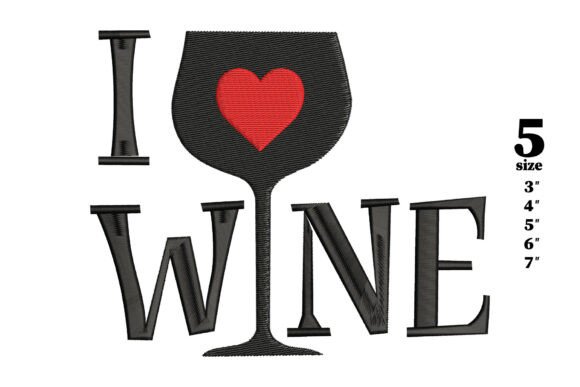
As an experienced embroidery designer preparing for a busy weekend craft fair, I evaluate every machine embroidery design through a specific lens: will this sell when placed on a table next to fifty other handmade items? When reviewing the "I Love Wine" design for my upcoming market booth, my immediate assessment is that it strikes a necessary balance between playful and elegant. The description promises a high-quality, fun, and easy-to-stitch file, which are exactly the attributes I look for when planning batch production for craft fair products. This design does not feel overly juvenile or exclusively tied to Valentine's Day; rather, it possesses a versatile charm that appeals to wine enthusiasts year-round, making it a reliable staple for any Etsy seller or boutique maker.
First Impressions and Booth Appeal
Upon loading the embroidery file, the first impression is one of approachable elegance. For a handmade product line, you want designs that communicate their message instantly from three feet away. "I Love Wine" succeeds here because the typography and iconography are bold enough to be legible at a glance but refined enough to justify a premium price point. It avoids the cluttered aesthetic of novelty shirts, leaning instead toward a modern farmhouse or rustic-chic vibe that performs exceptionally well in physical retail environments.
When setting up a booth display, visual hierarchy is everything. This design serves as an excellent focal point. Whether stitched in a classic burgundy thread on cream fabric or a crisp white on charcoal linen, the contrast draws the eye. For creative entrepreneurs, this means the design can anchor a table display. I envision a centerpiece basket filled with embroidered tea towels featuring this motif, flanked by smaller accessories. The design’s inherent warmth invites customers to pick up the item, which is the critical first step in making a sale at a market.
Best-Selling Product Applications
Determining where to apply "I Love Wine" is just as important as the stitching itself. Based on current market trends and practical production experience, here is how this design translates across different commercial embroidery applications:
- Tea Towel Embroidery: This is arguably the strongest application. Flour sack towels or waffle-weave kitchen linens provide a smooth canvas that showcases the stitch definition. As a tea towel embroidery project, it sells as both a personal treat and a hostess gift.
- Tote Bag Design: Canvas totes are craft fair staples. This design works beautifully centered on a natural cotton tote. It transforms a generic bag into a personality-driven accessory. Ensure the placement is high enough to remain visible when the bag is carried.
- Apron Embroidery: For culinary-themed markets, an apron featuring "I Love Wine" positioned over the heart or centered on the bib creates an instant connection with home cooks and entertainers.
- Embroidered Patches: Creating standalone patches allows for low-cost, high-margin add-ons at the register. This design scales down effectively for patches, provided the lettering remains legible.
- Fabric Pouches and Zipper Bags: Small cosmetic or wine bottle bags are perfect for utilizing leftover fabric scraps. The design adds perceived value to these small shop products.
While caps are popular, I advise caution. Curved surfaces can distort text-heavy designs unless the digitizing is specifically optimized for headwear. Always test on a curved surface before committing to a production run of hats.
Production Practicality and Batch Efficiency
For a digital embroidery file to be profitable, it must be efficient. The description notes that this design is "easy to stitch," which suggests optimized pathing and minimal trims. In a production environment, fewer trims mean less time spent finishing and higher output per hour. When preparing for a fair, I need designs that I can hoop, stitch, and unhoop with confidence. "I Love Wine" appears to respect the crafter's time, making it ideal for batching multiple finished products in a single session.
Photographing this design for online listings is equally straightforward. Because the motif is distinct, it photographs well even in natural light without requiring complex styling. For sellers using printable mockups or digital previews, ensure the mockup reflects the actual stitch texture. Customers appreciate seeing the real thread sheen and dimensionality, which reinforces the handmade quality over mass-produced prints.
Critical Technical Considerations
Despite its user-friendly reputation, professional results require attention to technical details. Before listing this as a Valentine S Day special or a permanent collection piece, consider these factors:
- Stitch Density and Fabric Texture: If stitching on textured terry cloth or heavy canvas, use a water-soluble topping to prevent stitches from sinking. High stitch density areas may require a heavier stabilizer to prevent puckering, especially on lighter weight fabrics like quilting cotton.
- Thread Colors and Contrast: Test your thread colors against various fabric backgrounds. A dark wine thread on black fabric may look muddy in dim craft fair lighting. Opt for higher contrast pairings to ensure visibility.
- Hoop Size Verification: Always confirm the hoop size requirements before purchasing or stitching. Ensure your machine’s field accommodates the design with adequate margin for hooping tension.
- Small Lettering Clarity: If resizing the design for patches or pockets, verify that any script elements remain open and readable. Shrinking satin stitch columns below 1mm can cause thread breaks or illegibility.
Designer Notes for Commercial Success
As fellow makers and business owners, we must protect our investment. Before selling any item featuring "I Love Wine," strictly review the licensing terms included with the design assets. Confirm whether the license permits commercial sale of finished goods or if it is restricted to personal use. Never assume; always verify.
I strongly recommend creating at least one physical sample before the fair. Use this sample to check registration, tension, and overall aesthetic appeal. Compare it against your existing inventory to ensure brand consistency. Does this wine theme align with your shop’s voice? If your brand is strictly minimalist, ensure the font style matches. If you are a whimsical cottagecore shop, this design likely fits perfectly.
Finally, engage your buyers by telling the story of the product. At the fair, mention that each piece was individually embroidered with care. Highlight the quality of the machine embroidery design and the materials used. When customers understand the effort and thought behind the "I Love Wine" motif, they see beyond a simple phrase and recognize a piece of functional art. By combining this versatile design with strategic product selection and rigorous quality testing, you create a winning formula for both craft fairs and online sales.