Bukhari Script Embroidery Font: Small Business Review
As an embroidery designer who specializes in commercial branding and small business merchandise, I approach every new typeface with a critical eye. A font might look beautiful on a screen, but the true test lies in how it performs under the needle. When evaluating the Bukhari Script Embroidery Font - Small, my primary focus is on its utility for real-world applications like staff uniforms, branded patches, and retail merchandise. This isn't just about aesthetics; it is about creating a durable, legible asset that enhances brand identity without causing production headaches.
First Impressions: Retro Flair Meets Commercial Utility
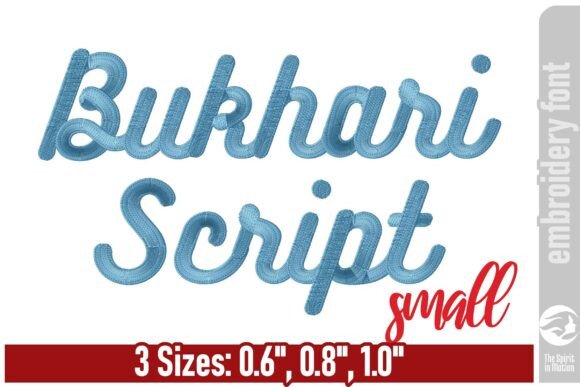
My initial assessment of Bukhari Script reveals a bold, smooth monoline structure that immediately sets it apart from standard script fonts. In the world of machine embroidery design, "monoline" is often a code word for reliability. Because the stroke width remains consistent, this font avoids the variable density issues that plague thinner, more delicate scripts. The retro-inspired flair gives it a warm, handmade product aesthetic that resonates deeply with modern consumers, yet the clean stitching ensures it maintains professional legibility.
For small business owners, this balance is crucial. You want your custom apparel to feel artisanal and unique, but you also need it to be readable from a distance. Bukhari Script achieves this by offering playful curves that suggest creativity while maintaining a balanced flow that prevents the letters from tangling or becoming muddy during high-speed commercial embroidery runs. It feels premium yet accessible, making it an excellent candidate for businesses that rely on a friendly, approachable vibe.
Real-World Performance Across Merchandise Categories
I have tested similar monoline scripts across various substrates, and Bukhari Script shows immense promise for diverse small business merch. Its versatility allows it to transition seamlessly between different branded assets.
Staff Uniforms and Apron Embroidery
For cafes, bakeries, and florists, apron embroidery serves as both uniform and signage. The bold nature of this font means employee names or business logos remain visible even in busy, low-light environments. Unlike thin serifs that can disappear into dark denim or canvas, the substantial stitch column of Bukhari Script sits proudly on top of textured fabric. This visibility reinforces professionalism and helps customers easily identify staff members.
Embroidered Patches and Cap Embroidery
Patches are a staple for outdoor brands and creative studios. When digitizing for an embroidered patch, edge definition is everything. The smooth lines of Bukhari Script allow for clean satin borders or merrowed edges without jagged transitions. Similarly, for cap embroidery, the font’s balanced flow accommodates the curvature of structured hats better than rigid block letters. The retro style pairs exceptionally well with vintage-style dad hats or trucker caps, adding perceived value to event merch or boutique merchandise.
Tote Bag Design and Retail Packaging
Canvas tote bags are walking billboards for Etsy sellers and local shops. Bukhari Script provides enough visual weight to contrast against natural cotton fibers. When used for product packaging accents or thank-you gifts, the font communicates a sense of care and intentionality. It transforms a simple bag into a desirable fashion accessory rather than just a utility item, encouraging repeat use and organic brand exposure.
Critical Considerations for Production Success
While Bukhari Script Embroidery Font - Small is robust, no digital embroidery file is immune to physics. As a designer, I must highlight where caution is required to ensure the finished product meets quality standards.
- Minimum Sizing: Despite being labeled "Small," always verify the minimum height before production. Monoline fonts generally require a minimum letter height of 6mm to 8mm to prevent thread breaks and looping. Going smaller risks losing the smooth curve definition.
- Fabric Texture Interaction: On high-pile fabrics like terry cloth or fleece, the smooth monoline stitch may sink in. You must account for this by adjusting pull compensation or using a water-soluble topping to keep the stitches on the surface.
- Stitch Density Management: While the font is designed for clean stitching, overlapping connections in script can create dense spots. If you are modifying the embroidery file, ensure connection points are staggered to avoid needle deflection or fabric puckering.
- Curved Surface Distortion: When applying this to sleeves or curved cap fronts, the horizontal flow may distort. Always hoop correctly and consider slight manual kerning adjustments to compensate for the cylindrical shape of the garment.
Impact on Brand Identity and Customer Trust
Typography in embroidery is not merely decorative; it is a direct signal of brand competence. Using a specialized tool like Bukhari Script demonstrates an investment in quality design assets. When a customer sees crisp, consistent lettering on a work shirt or tote bag, they subconsciously attribute that same attention to detail to the business's core products or services.
The retro-modern hybrid style of this font bridges the gap between nostalgia and contemporary relevance. For handmade brands and Etsy sellers, this evokes authenticity. For corporate clients or service providers, the boldness conveys confidence. Consistency across all touchpoints—from a chest logo accent to a large back print—builds visual recognition. When your merchandise looks intentional and professionally executed, it increases buyer engagement and justifies premium pricing.
Designer Notes: Pre-Production Checklist
Before you load this machine embroidery design into your production queue, follow this professional workflow to mitigate risk and maximize quality.
- Verify Licensing: Before selling any item featuring Bukhari Script, confirm the commercial licensing terms included with your purchase. Ensure you have the right to use the font for physical merchandise sales versus just personal projects.
- Create a Printable Mockup: Always generate a printable mockup or digital visualization for client approval before stitching. This manages expectations regarding size and placement, especially since screen rendering differs from thread texture.
- Test Thread Colors: Stitch out a sample in black and white first to evaluate contrast and legibility independent of color bias. Then, test your specific brand colors. Dark threads on dark fabric often require increased spacing or a lighter outline to remain readable.
- Stabilizer Selection: Match your stabilizer to the end-use. For stretchy knits, use a cutaway stabilizer to maintain the font's smooth curves over time. For woven caps or twill, a tear-away may suffice. Never skip stabilizer testing on the actual garment material.
- Hoop Size Confirmation: Select the smallest hoop size possible for the design area to maintain fabric tension. Excess space in the hoop leads to shifting, which ruins the precise alignment required for script fonts.
- Wash Testing: If the merchandise will be laundered frequently (like aprons or uniforms), wash and dry your test swatch three times. Inspect for shrinkage, thread fraying, or distortion. Adjust density or underlay if the font degrades after washing.
Bukhari Script Embroidery Font - Small represents a strong intersection of style and function for the commercial embroiderer. By respecting its technical parameters and leveraging its distinct visual personality, small businesses can create merchandise that truly works as hard as they do. Whether you are outfitting a team, launching a product line, or refining your shop's aesthetic, this font offers a reliable foundation for professional, eye-catching embroidery.