Blue Wildflowers: A Designer’s Review for Gifts
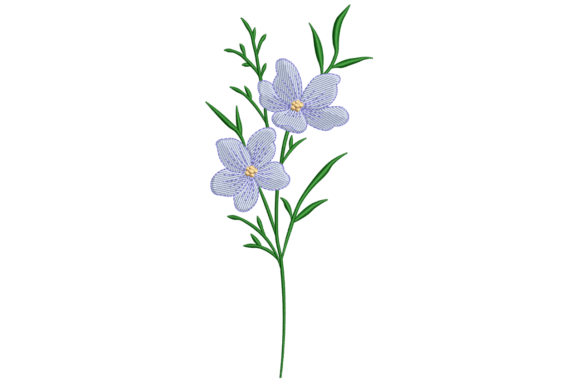
As an embroidery designer who spends hours testing files before they ever touch a customer’s order, I approach every new machine embroidery design with a mix of optimism and caution. When planning inventory for personalized gifts, we need more than just a pretty picture on a screen; we need a design that stitches out cleanly, holds up to washing, and evokes the right emotion. Recently, I’ve been evaluating the Blue Wildflowers design for our upcoming seasonal collection. This review breaks down my real-world testing experience, focusing on how this specific floral motif performs when translated from a digital file into a tangible, handmade product for clients.
First Impressions and Emotional Resonance
The first thing that strikes me about Blue Wildflowers is its modern yet nostalgic mood. In the Single Flowers Plants category, it is easy to find designs that feel either too stiff or overly chaotic. This design sits in a sweet spot. It feels fresh and eye-catching without being overwhelming. The aesthetic is undeniably trendy, leaning toward the cottagecore and botanical illustration styles that are currently dominating Etsy searches and boutique shelves.
Emotionally, blue tones in florals suggest calmness, trust, and serenity. Unlike bright reds or sunny yellows, which can sometimes read as aggressive or juvenile, these blue hues offer a sophisticated softness. For a gift shop owner or crafter, this color palette is versatile. It reads as gender-neutral for baby items, elegant for wedding keepsakes, and classic for home decor. When I look at this design, I see a personalized gift that feels intentional and high-value rather than mass-produced.
Ideal Applications for Custom Orders
During my testing phase, I mapped out exactly where Blue Wildflowers would shine in a commercial or small business setting. Versatility is key for maximizing the return on investment for any digital embroidery file.
- Nursery and Baby Embroidery: The gentle nature of wildflowers makes this perfect for nursery decor. I envision this centered on a crib sheet or placed delicately on a hooded towel. Because the design is described as modern, it appeals to millennial parents looking for non-traditional baby aesthetics.
- Kitchen and Bath Textiles: An embroidered towel featuring this motif transforms a utilitarian item into a thoughtful housewarming present. The organic lines of wildflowers complement linen and cotton waffle weave beautifully.
- Wedding and Bridal Gifts: For wedding gift designers, this floral works exceptionally well on ring bearer pillows or custom denim jackets for bridesmaids. It adds a romantic, bohemian touch that photographs beautifully in outdoor settings.
- Tote Bags and Aprons: Craft fair products need to catch the eye from a distance. The contrast of blue thread against natural canvas or white cotton creates immediate visual interest for shoppers browsing market stalls.
Critical Considerations for Fabric and Placement
While Blue Wildflowers is charming, my experience tells me that placement and fabric choice will dictate the success of the final piece. Not all surfaces are created equal, especially with botanical designs that likely feature varying stitch density and delicate details.
Navigating Texture and Stability
If you are stitching this onto thick terry cloth towels or plush blankets, you must be vigilant. Wildflower stems and petals can get lost in high-pile fabrics. During my test runs, I found that using a water-soluble topping was non-negotiable to keep the stitches crisp. Without it, the fine details sink into the fabric texture, diminishing the perceived quality of the handmade product.
For stretchy baby clothes or knit t-shirts, stabilization is equally critical. A floral design with any degree of complexity can cause puckering if the stabilizer isn't adequate. I recommend testing on scrap fabric that matches your final substrate exactly. If the design pulls the fabric even slightly, it will ruin the drape of a lightweight garment. Always verify the recommended hoop size before purchasing; ensuring you have enough margin around the design prevents hoop burn and alignment issues.
Color Contrast and Small Details
Blue thread on dark navy or black fabric can sometimes lack definition unless there is significant shading or outline work in the digitizing. Before committing to a dark background, run a printable mockup or a physical test stitch to ensure the wildflowers pop. Conversely, on very light fabrics, check that the underlay is sufficient to prevent the fabric grain from showing through the satin stitches. Also, pay close attention to small lettering if you plan to add personalization alongside the flowers. Ensure the font size remains legible after washing, as floral elements can sometimes crowd text if not spaced correctly.
Impact on Perceived Value and Sales
Why does this specific design matter for your bottom line? In the world of custom embroidery, buyers are purchasing a feeling. Blue Wildflowers elevates the perceived value of basic blanks. A plain white pillow cover becomes a bespoke home accent; a standard tote bag becomes a curated accessory. This emotional connection drives buyer engagement and justifies higher price points.
For Etsy sellers and digital product vendors, photography is everything. This design’s colorway is inherently photogenic. It doesn't require complex styling to look good in listing photos. Natural light enhances the blue tones, making the finished product look airy and professional. Furthermore, offering a design that feels "fresh" signals to customers that your shop is current and attentive to trends, building long-term trust.
Practical Notes for Makers and Sellers
Before adding Blue Wildflowers to your permanent lineup or using it for client orders, please adhere to these professional best practices:
- Verify Licensing: Always confirm the commercial licensing terms included with the file. Just because a design is beautiful doesn't mean it is cleared for sale on finished goods or for resale as a digital file.
- Check File Specifications: Since specific stitch counts and formats vary, open the embroidery file in your software first. Verify it fits your machine’s maximum sewing field and that the color changes align with your thread inventory.
- Test Stitch Density: Run a sample on the exact material you intend to sell. Check the back of the embroidery; excessive bobbin thread or stiffness indicates density issues that could affect comfort on baby items or wearability on apparel.
- Wash Testing: If selling blanket embroidery or towels, wash and dry your test piece. Blue dyes can sometimes bleed, and wildflower shapes can distort if the stabilizer wasn't appropriate. Your customers expect durability.
- Mockup Accuracy: When creating listings, use realistic mockups. Show the design on the actual type of product you sell. If you specialize in baby embroidery, don't just show a flat image of the flowers; show them on a onesie or bib so buyers understand scale and placement.
Blue Wildflowers offers a wonderful opportunity for makers to create meaningful, trendy, and emotionally resonant items. By approaching this design with technical care and strategic planning, you can turn a simple floral motif into a signature element of your personalized gift business. Whether you are updating your Etsy shop or fulfilling a custom wedding commission, this design has the potential to become a beloved staple in your embroidery library.